 Free UK delivery

How to Open Paint by Numbers Paint Pots Safely
To open the pots, press a thumbnail or the blunt edge of a butter knife under the lip of the lid and lift it a little at a time, working round the rim. Keep the pot flat on the table, lift slowly so the paint does not jump, and wipe the underside of the lid on a sheet of kitchen roll. Done this way, the pots open without tearing the lid or splashing the canvas.
Most kits contain small pots of acrylic, which dries fast and seals the lid if it is left open. Close each pot firmly between sessions, and if a colour has started to set, add a drop of water and stir with a cocktail stick. When a single shade runs out, note the number printed on the pot and order a replacement from the kit maker or a craft supplier.
In short
- Open each pot slowly by twisting the lid off, rather than prising it up with a lever, to avoid splashing and bending the lid.
- Acrylic paint in most kits is water-based; a few drops of water can help loosen a pot that has thickened.
- Keep the lid sealed when not in use and store the kit away from direct sun and radiators.
- Work one colour at a time and close the pot straight after use to stop it drying out.
How do you open paint by number paint pots?
Paint by number pots are small plastic cups with push-on lids, so they open with a gentle twist and lift rather than force. Here is the method we suggest.
Set the pot on a flat surface
Put the kit on a table covered with scrap paper or a wipe-clean mat. Hold the pot steady with one hand, with your thumb resting on the side of the cup and not on the lid.
Twist the lid while lifting
With your other hand, turn the lid a few degrees back and forth as you lift one edge slowly. The seal releases evenly this way and the paint does not jump up the sides. Pulling straight up tends to pop the lid and splash the paint.
Loosen a stuck lid gently
If the lid will not move, tap the base of the pot twice on a hard surface to settle the paint. Then hold the lid briefly under warm running water, keeping the pot upright, and dry the rim with a cloth. For a stubborn edge, slide a coin or the blunt handle of a brush under the lip and lift a little at a time. Avoid a screwdriver or a sharp blade, which can crack the rim and stop the lid sealing properly.
Open one pot at a time
Open only the colour you are about to paint with and keep the rest closed. Acrylic starts to skin over within minutes in warm, dry air. When the area is finished, press the lid back down all the way round until it sits flush.
What paint is used in paint by numbers kits?
The paint in a kit is water-based acrylic, mixed in advance and numbered to match the printed canvas. Each pot holds one colour, so you never need to blend anything yourself. The numbers on the lids correspond to the numbers in the canvas sections, which keeps the process simple for anyone trying adult paint by numbers for the first time.
Acrylic starts to form a skin once it meets the air, and in a small pot that can happen within a single sitting if the lid is left off. Open only the colour you are using, and press the lid back down firmly as soon as you lift your brush away. A pot left open while you paint a large area in another colour is the most likely to be stiff next time.
This is not oil paint, so it needs no white spirit or thinners. Water is all you need to thin it. If a pot feels thick or sticky, add one tiny drop of clean water and stir with the handle of a brush until the colour looks smooth and moves easily. Add the water a drop at a time, because too much makes the colour streaky and thin on the canvas.
How do you stop the paint drying out between sessions?
Acrylic dries when air reaches it, so keeping paint workable for weeks comes down to a few small habits at the end of each session.
- Press each lid firmly back onto its pot after every use and listen for the click, because a lid that sits slightly proud lets air in overnight.
- Wipe any paint from the rim with a damp cloth before closing, as a dried crust stops the lid from seating properly.
- Store the kit flat in a cool, dry place, away from direct sunlight and radiators, since warmth thickens the paint and a tilted pot can push paint towards the seal.
- If you are pausing for more than a few days, place the closed pots in an airtight food box, ideally with a slightly damp piece of kitchen roll beside them but not touching the lids.
- Rinse your brushes and lay them flat to dry, and never leave them standing in water, which bends the bristles and loosens the glue around the ferrule.
If you want a dedicated place for pots and brushes, our paint by number accessories are worth a look.
What if the paint has already dried out?
Paint that has thickened or gone tacky can usually be brought back, as long as a soft skin or paste remains in the pot. Fully solid paint cannot be revived.
Check the paint
Press the surface with a clean brush handle. If it dents and the paint beneath is soft or stringy, it can be rescued. If it feels like hard rubber all the way down, go to the last step.
add warm water
Add two or three drops of warm water with a dropper or the wet tip of a brush. Start with less than you think you need, because you can always add more but cannot take it out.
Stir slowly
Use the brush handle and fold the paint over itself until it is smooth. Fast stirring makes bubbles, which leave tiny pits in the dried colour. Wait a minute, then check the texture again.
Replace solid paint
If the pot is solid, buy a matching acrylic from a craft shop and compare it against the dried colour in good daylight. Our paint by numbers accessories may also help with spare supplies.
How do you get more paint for paint by numbers?
Start by checking the kit, because some include a few spare pots of the colours that get used most, usually the large background areas. If a pot has run dry, look at the number on the lid and find the same number on the colour chart printed on the canvas or in the instructions. That tells you the shade you are replacing, and it is worth holding a dried sample of the paint, or the pot with a little paint left in it, beside the canvas in daylight to judge it.
For a small gap, a tube of artists' acrylic in the same colour family will usually do. Squeeze out a pea-sized amount onto a palette, add a touch of white or a darker shade a little at a time, and test it on the edge of the canvas margin or a scrap of paper. Acrylic dries slightly darker, so wait until the test patch is dry before you judge the match. Mix a bit more than you think you need, since you will often need to mix the same shade again later, and matching it a second time is harder.
When the colour has to be exact, contact the shop where you bought the kit and give them the kit details and the pot number. We can advise on replacements for our own kits, and you can also look at paint by numbers accessories for brushes and other extras.
How should you start painting once the pots are open?
Start with one colour, paint every area carrying that number, close the pot, then move to the next. Working this way keeps the paint fresh and the lids sealed.
Choose one colour and find every match
Open a single pot and scan the canvas for its number. Mark the larger areas with a light touch first, so you know where the colour belongs before you commit.
Fill the large areas first
Use a medium flat or round brush for backgrounds, sky and broad shapes. Two thin coats cover better than one thick coat, which tends to leave ridges and take longer to dry.
Switch to the fine brush for small sections
Small numbered sections need the finest brush in the kit. Load only the tip, and rest your wrist on the table edge for a steadier line.
Close the pot before you reach for the next
Press the lid down until it clicks or sits flush, then rinse the brush. Pots left open while you work on a large area are the ones that thicken first.
Let neighbouring areas dry
If you tend to smudge, wait until a painted area feels dry to the touch, often around 15 to 30 minutes for a thin coat, though it depends on the room and the paint, before painting beside it. Beginners often find this pause useful, and our guide to paint by numbers for kids and beginners covers more habits worth building early.
How long does a paint by numbers kit take?
The time a kit takes depends on three things: the canvas size, the number of colours, and how much fine detail the design contains. A small canvas with a handful of colours and broad sections can be finished in a few relaxed evenings. A large canvas with dozens of tiny numbered areas will take noticeably longer, and the small sections are usually what slow things down, because each one needs a steady hand and a careful edge.
We would not give a target number of hours, since pace varies so much from one painter to the next. Beginners often find the first few colours take the longest and the work speeds up once they settle into a rhythm. Our paint by numbers kits for adults come in a range of canvas sizes, so you can choose one that suits the time you have.
Short sessions work well. Twenty minutes at the table is enough to complete a few sections, provided you press each lid down firmly before you stop. There is no deadline, and a canvas that takes a few weeks will look just as good as one finished in a weekend.
Our picks

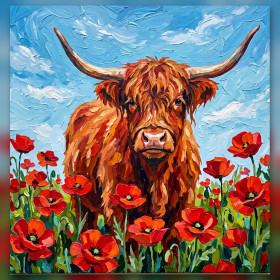
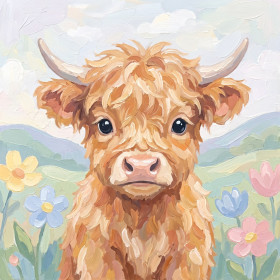
Open each pot with a slow twisting lift, keeping the lid level so nothing splashes and the rim stays straight. Take one colour at a time, press the lid shut as soon as you have finished with it, and add a single drop of water if the paint has thickened. Store the kit away from sunlight and radiators. If you would like to see what a full set looks like, have a look at our paint by numbers kits for adults.
Ready to start your next canvas?
Browse our paint by numbers kits for adults, each with pre-printed canvas, numbered acrylic pots and brushes. Free UK and Ireland delivery, dispatched within 48 hours.
View Paint by Numbers for AdultsFrequently asked questions
Can I use a knife to open a stuck paint pot?
We advise against it, because a blade slips easily and can crack the plastic lid or send paint across the canvas. Press the pot's base gently on a table to loosen the seal, then lift one edge of the lid with a coin. Work your way round slowly until it pops free.
What kind of paint is in paint by numbers kits?
Most kits contain water-based acrylic paint, pre-mixed and numbered to match the printed canvas. Because it is water-based, brushes rinse clean under a tap while the paint is still wet. Once dry, the paint is water-resistant, so keep a damp cloth nearby for any spills on clothes or the table.
How do I stop the paint drying out?
Press each lid down firmly after every use, ideally with a quick wipe of the rim first so dried paint does not stop a tight seal. Store the kit flat in a cool, dry place away from direct sunlight or radiators. Painting one section at a time also keeps pots open for less time.
Can I add water to thick paint?
Yes, a very small drop of water can loosen thickened acrylic. Add it with the tip of a brush, then stir with the brush handle until the paint moves smoothly again. Go slowly, as too much water makes the colour thin and streaky, and the number underneath may show through.
Where can I get more paint if I run out?
Check the kit first, as many include a spare pot or a small extra amount of the colours used most. If nothing is left, buy a small tube of acrylic in a similar shade and mix it on a palette until it matches. Test the mix on a scrap of paper before using it on the canvas.
Related posts
 How to Tell If Paint Has Gone Bad: A Painter's Guide
 Paint by Numbers Tips YouTube Videos Miss
 How to Blend Paint on Paint by Numbers: A Studio Guide
 Which Colour to Paint First on a Paint by Numbers Kit
 Paint by Numbers Paint Like Frida: A Practical Guide