 Free UK delivery


How to Tell If Paint Has Gone Bad: A Painter's Guide
You can tell if paint has gone bad by checking its smell, texture and colour, then testing a small dab before it reaches the canvas. Acrylic paint that smells sour, shows mould, stays lumpy after stirring or will not spread smoothly should be set aside.
This guide is for UK and Irish adults beginning a kit, returning to an old one, or choosing a personalised design from a photo. This guide shows how to test a numbered pot safely, when a little water may help, when replacement paint is the sensible choice, and how to store unused colours. You will also find out what to do when one shade has dried before the picture is finished.
In short
- Acrylic paint in sealed pots keeps well for a long time, but once opened it slowly thickens and separates.
- The reliable signs of spoilage are a sour or ammonia smell, a solid rubbery skin, lumps that will not stir out, or paint that has dried hard in the pot.
- A little separation and thickening is normal and can usually be fixed by stirring and adding a drop of water.
- Storing pots upside down, tightly closed and away from heat keeps a part-finished kit usable for your next session.
How to tell if paint is gone bad: the quick answer
Paint is usually still usable when it mixes smoothly, smells normal and spreads evenly; check each numbered acrylic pot for these signs before you begin.
- Open the pot and smell it briefly: a mild acrylic or plastic smell is common, while a strong sour, rancid or musty smell means the paint should be discarded.
- Look at the texture after stirring with a clean brush or cocktail stick; a little clear liquid on top is normal separation, while persistent lumps, strings, curdling or a rubbery mass indicate that the paint has deteriorated.
- Check for a skin across the surface, then lift it away if it comes off in one piece; small flakes can sometimes be removed, but a thick skin mixed throughout the pot will usually leave rough marks on the canvas.
- Stir for about 30 seconds and compare the colour with the number on the pot or the printed area; colour that stays streaky, grey, grainy or separated after mixing is a reason to stop using it.
- For a simple two-minute check, stir the pot, apply a small patch to spare paper or an unused edge of the canvas, and wait a few minutes to see whether it dries evenly without an unusual smell or gritty finish.
- Most pots in a paint-by-numbers kit remain fine when their lids have stayed closed, so test the colours you need first rather than replacing the whole set.
Why acrylic paint goes off in the first place
Acrylic paint goes off when water leaves the mixture and the binder begins to cure. In a paint-by-numbers pot, acrylic is a water-based emulsion containing pigment and a binder. The water keeps the mixture spreadable; the binder holds the pigment to the canvas after the paint is applied. Air reaches the paint each time the lid is opened, while warmth speeds up evaporation and curing.
Some changes are harmless. Pigment can settle at the bottom during storage, leaving thinner-looking liquid above it. This is normal and often improves with careful stirring. A settled pot may still produce smooth, even colour once mixed. Hard skin, rubbery pieces, a persistent sour smell or paint that stays lumpy after stirring point to a different problem.
Small numbered pots dry faster than large tins because they contain less paint in relation to the exposed surface around the lid. A little paint left on the rim can stop the lid closing tightly, allowing more air inside. Frequent opening during a project adds further exposure. This is common with adult paint-by-numbers kits, where many colours are opened repeatedly and some shades may remain unused for weeks.
Testing an old pot step by step
1. Open the pot and smell it
Check the paint before it touches your canvas. Open the numbered pot, inspect the surface and give it a quick sniff. Acrylic paint usually has a mild, slightly chemical scent; a strong sour or rotten odour means you should discard it.
2. Stir the paint gently
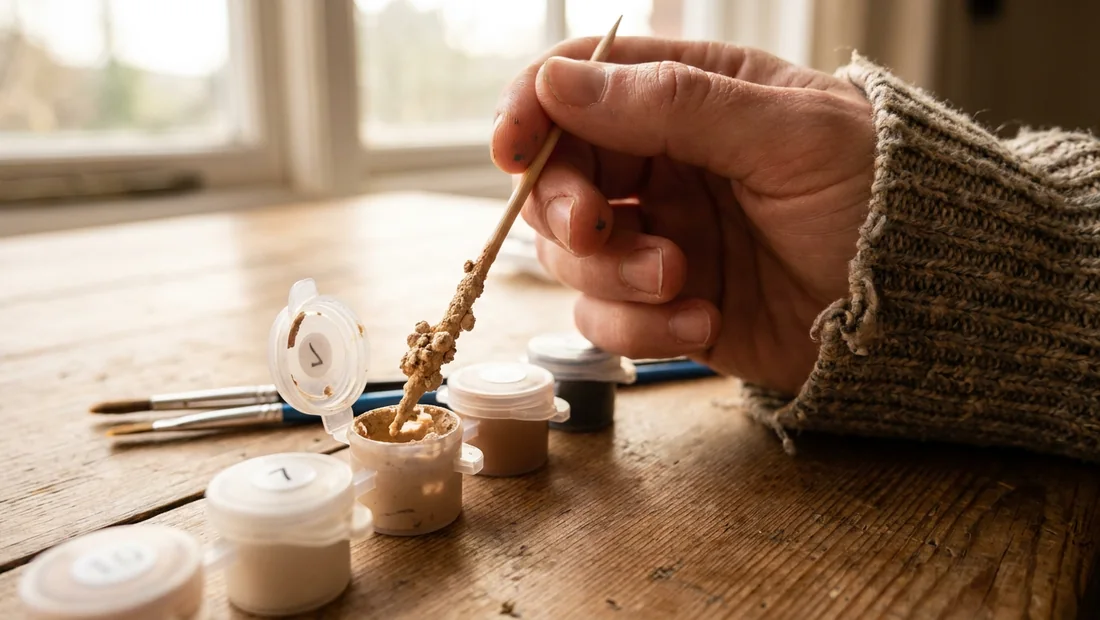
use a cocktail stick or the clean end of a brush to stir from the bottom upwards. Stir slowly so you can tell whether the paint is smooth, thick or hardened. Wipe the tool before checking another colour to avoid transferring paint between pots.
3. Inspect the texture
look for a dry skin across the top, hard edges, rubbery pieces or lumps that remain after stirring. A little surface film can sometimes be lifted away, provided the paint underneath is soft and smooth. Large solid pieces or a fully hardened centre are signs to stop, as is a separated liquid that will not combine.
4. Add one drop of water
If the paint is thick yet still moves, add one small drop of clean water and stir thoroughly. Add another drop only if needed. Too much water can make the colour runny and reduce its coverage, so stop when the mixture resembles smooth double cream.
5. Test it away from the picture
Brush a small patch on scrap card, a spare piece of paper or an unused margin of the canvas. Let it dry for around 10 minutes, then check the colour and finish. Usable paint should dry evenly without gritty marks, cracking or soft sticky patches.
When a pot can be saved and when it should go
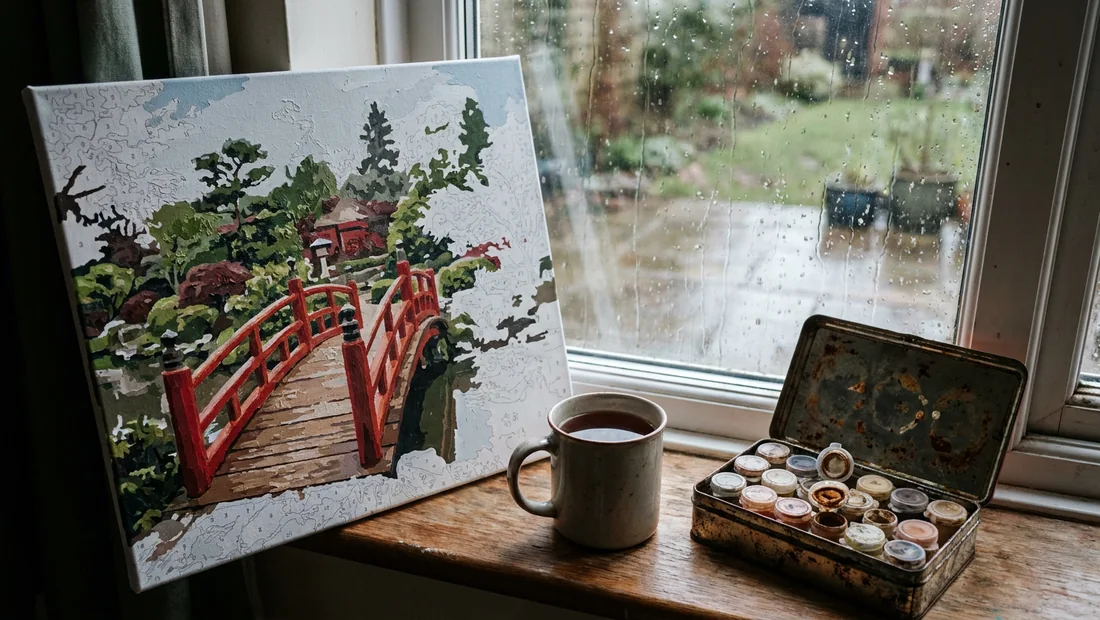
A pot can usually be saved if the acrylic has separated or thickened, whereas strong smells, stubborn lumps and fully dried paint mean it should be discarded. Check each colour before it reaches the canvas, because uneven paint can leave gaps, raised patches or visible texture inside small numbered areas.
| What you see or smell | What to do | Why it matters |
|---|---|---|
| clear liquid sits above thicker colour, or the paint feels slightly thick. | Stir slowly with a clean cocktail stick until the colour and texture look even. Scrape the bottom and sides of the pot as you work. | Separation and mild thickening are common in stored acrylic paint and usually do not affect the finished picture once fully mixed. |
| A thin, flexible skin covers the surface. | Lift off the skin carefully and discard it, then stir the paint underneath. Remove any small skin fragments before loading your brush. | A dry fragment can drag across a tiny section and leave a raised mark that shows through the finished painting. |
| Lumps remain after careful stirring, or the paint has a sour or ammonia smell. | Set the pot aside and discard it. Do not try to work around the lumps or cover the smell with another colour. | These signs suggest the paint has deteriorated. It may dry unevenly, affect coverage or leave unwanted texture on the numbered canvas. |
| The contents are completely dry and solid. | Discard the pot and use a matching replacement colour if one is available. | Fully dried acrylic cannot be returned to a smooth, reliable consistency for precise paint-by-numbers work. |
Storing your kit so the colours last
For a part-finished kit, careful storage helps the small acrylic pots stay usable between painting sessions.
- Wipe the rim clean, press each lid firmly into place and check that it has sealed all the way around before putting the pot away.
- Store closed pots upside down so the paint sits against the lid, which helps limit air exposure; place them on a flat shelf to reduce leaks.
- Keep the kit away from radiators, heated rooms and sunny windowsills, where warmth and direct light can make acrylic paint thicken more quickly.
- Avoid damp sheds, garages and other humid storage areas, as moisture can damage paper instructions, the canvas and the cardboard packaging.
- If you have mixed paint for a particular area, cover it between sessions with a clean, lightly damp cloth and use it promptly; keep the cloth from touching the painted surface.
- Write the colour number and the date opened on spare pots or their lids, then place them with the matching kit so you can identify older paint before starting a new section.
- Keep the canvas, paint pots, brushes and instructions together in a small box or tin with a secure lid, using suitable accessories to keep loose items organised.
What to do if a colour has gone and you still want to finish
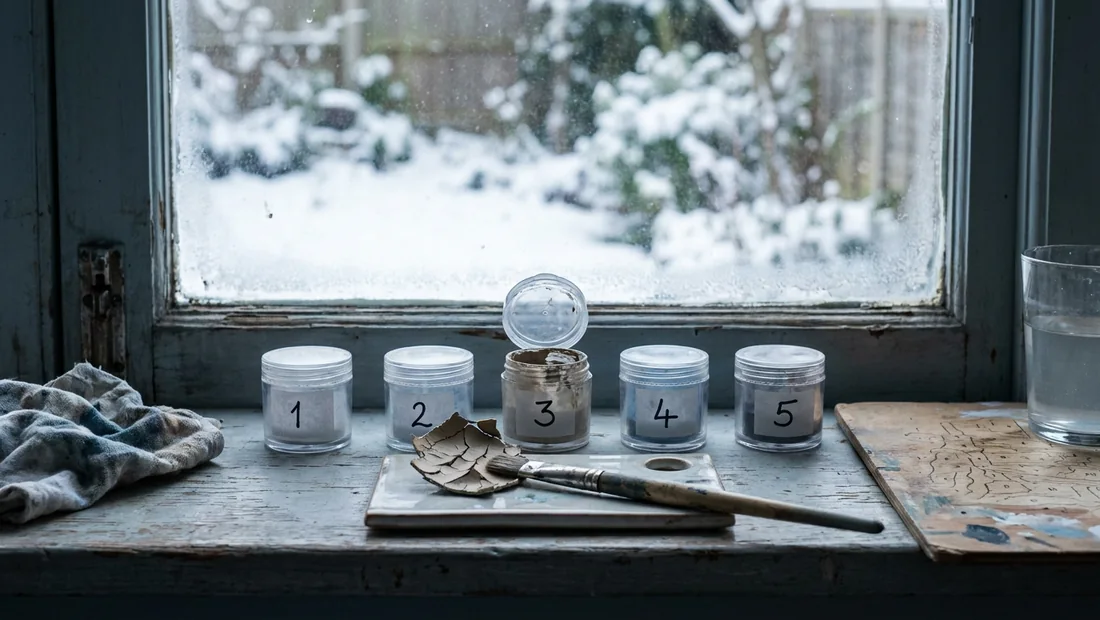
If one colour has gone bad, you can often finish the canvas by checking where that colour is used and choosing the most practical substitute. Look over the numbered areas first. A colour may appear in only a few small sections, so you might decide to leave those areas until the rest of the painting is complete. This shows how much paint you actually need before you search for a replacement.
For a close match, mix small amounts from two usable pots on a spare piece of paper or card. Add one colour at a time, record the proportions, and let the sample dry before comparing it with the surrounding sections. Acrylic paint usually dries slightly darker, so judge the dry sample beside the canvas. Use the mixture only when it covers smoothly and the colour difference will be less noticeable in the finished picture.
If the missing shade is used widely, contact the shop to ask whether a replacement pot is available, or choose a fresh paint by numbers kit for adults if the remaining colours are also old. A slightly different shade can suit areas such as shadows, foliage or background texture, especially when it is applied neatly and consistently. For a cleaner finish, useful items such as a spare brush and mixing palette are available among paint by numbers accessories.
A note on unopened pots and personalised kits
Sealed paint pots usually keep far longer than opened ones because less air reaches the acrylic paint. Before starting an older kit, check that each lid is firmly closed and inspect the pots for leaks, swelling, cracked seals or dried paint around the rim. A sealed pot should still be tested on scrap paper before it reaches the canvas, especially if the kit has been stored for a long time.
Keep an unopened kit flat in a cool, dry place away from direct sunlight. Flat storage helps prevent paint from collecting around the lid, while sunlight and heat can affect the paint and printed canvas. Avoid sheds, conservatories and damp cupboards where temperatures can change sharply.
For a custom Paint by Numbers kit made from your photo, check every numbered pot when the parcel arrives. Look for damage, leaks or paint that has already dried, and contact the shop promptly if something is wrong. The 14-day right to cancel applies to eligible standard products but excludes personalised photo kits because they are made to your specifications.
Our picks



Stir each pot thoroughly before deciding the paint has gone bad, then add one drop of water if it has thickened slightly. A sour smell, rubbery skin, stubborn lumps or hard-dried paint means it is time to replace that colour. Seal usable pots tightly, store them upside down and keep them away from heat. When you are ready for a fresh project, see our Paint by Numbers for Adults.
Ready for a fresh canvas?
If a pot has gone past saving, a new kit arrives with sealed numbered paints, a pre-printed canvas and brushes, dispatched within 48 hours with free delivery to the UK and Ireland.
View Paint by Numbers for AdultsFrequently asked questions
Does an unopened pot of acrylic paint go bad?
Yes, an unopened pot of acrylic paint can eventually go bad, although a sealed pot usually keeps much longer than an opened one. When you first open it, listen for a solid knocking sound and check for a sour smell. Either sign suggests the paint has dried out or developed contamination, so test it before use.
Can I use paint that has separated?
Yes, separated paint is usually usable after thorough stirring. Mix from the bottom and sides until the colour and texture look even, adding only a drop of water if the paint is unusually thick. If lumps remain after careful mixing, discard that pot, as it may leave rough marks and uneven coverage.
How can you tell if paint has gone off without opening it?
Shake the pot gently and listen to the sound. A soft sloshing noise usually means the paint is still liquid, while a dull thud suggests it has dried, set, or pulled away from the sides. This check gives you a useful indication, though opening and stirring the pot confirms its condition.
Is it safe to add water to thick acrylic paint?
Yes, adding a drop or two of water at a time is fine for thick acrylic paint. Stir thoroughly after each small addition and stop once the texture becomes workable. Too much water weakens the binder, making the paint thin and reducing its ability to cover the surface evenly.
How should I store a part-finished paint-by-numbers kit?
Close every paint pot firmly, then store the pots upside down in a cool, dry place away from radiators and direct sunlight. Wipe paint from the rims before replacing the lids, as dried residue can prevent a tight seal. Keep the canvas flat or rolled loosely, with brushes clean and fully dry.
Related posts
 Paint by Numbers Tips YouTube Videos Miss
 How to Blend Paint on Paint by Numbers: A Studio Guide
 Which Colour to Paint First on a Paint by Numbers Kit
 Paint by Numbers Paint Like Frida: A Practical Guide